

The craft
The hands of the Kathmandu Valley.
Nepali cashmere begins long before the fibre: in centuries of Newar craftsmanship in wood, metal, brick and stone.
“Outstanding craftsmanship in brick, stone, timber and bronze that are some of the most highly developed in the world.”
Seven Newar crafts
A valley of makers.
Scroll sideways →
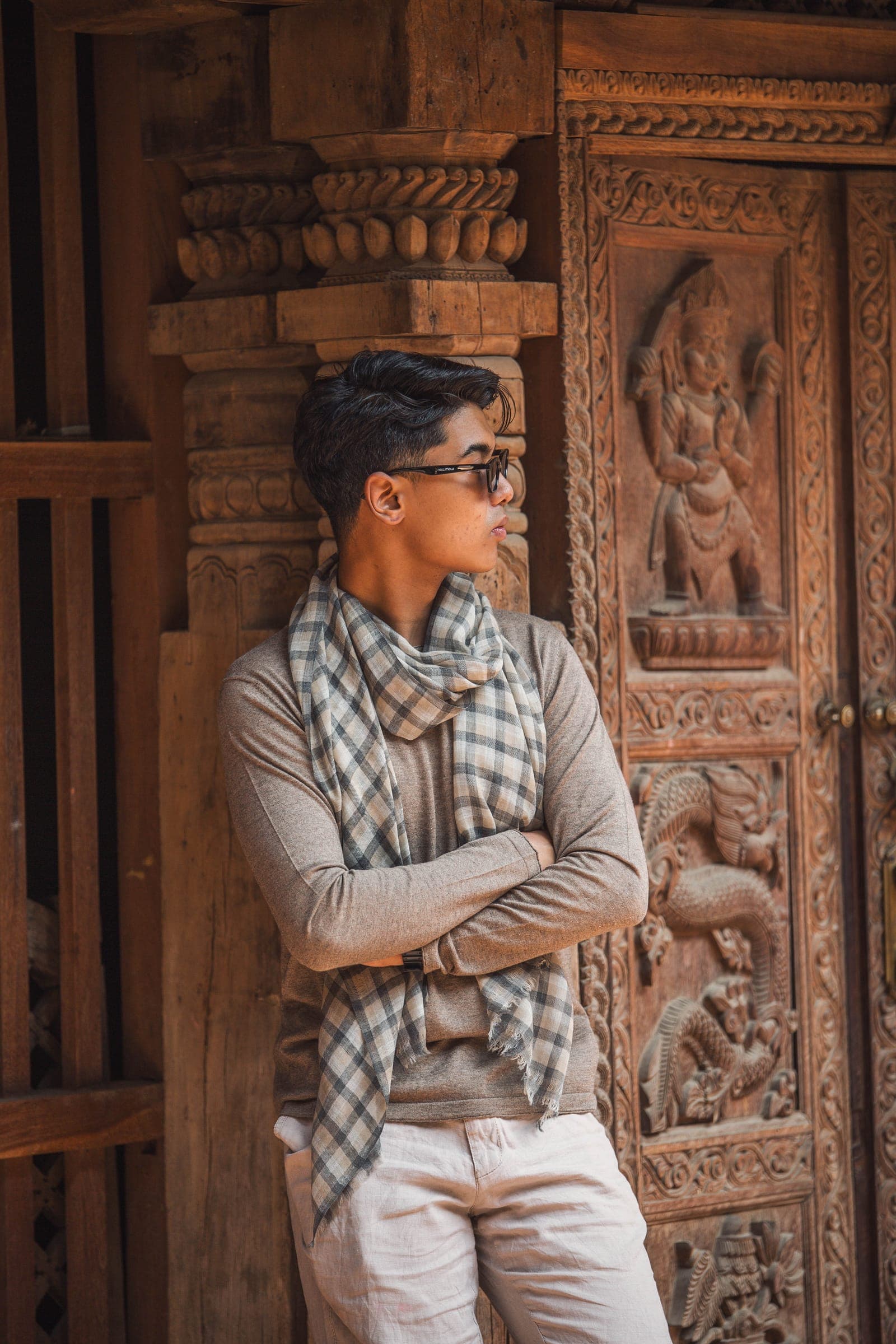
01 · Timber
A city named for a wooden pavilion.
Kathmandu takes its name from Kasthamandap, a wooden pavilion that legend says was built from the timber of a single sal tree. After the 2015 earthquake it was rebuilt using traditional Newar techniques.

02 · Windows
Carving you can see through.
Newar carpenters are famed for their latticed and carved windows. Bhaktapur's centuries-old Peacock Window is often called the finest in the Kathmandu Valley.
03 · Bronze
Lost wax, still alive.
Newar artists perfected lost-wax casting, shaping models from beeswax, vegetable oil and resin before casting them in metal. It has remained a thriving practice from ancient times to today.
04 · Stone
Patan's temple of stone.
Built in 1637, Patan's Krishna Mandir was made of carved stone instead of the Valley's usual brick and timber.
05 · Brick
Five roofs over Bhaktapur.
Completed in 1702, Bhaktapur's Nyatapola temple rises on five tiered roofs, one of only two five-storey temples in the Kathmandu Valley.
06 · Travel
The artist who went to Kublai Khan.
In the 13th century a young Newar artist, Araniko, was invited to the Yuan court of Kublai Khan, where he helped design Beijing's White Stupa.
07 · Paint
Paubha, painted devotion.
Paubha is the Newar tradition of devotional painting on cloth, which flourished during the Malla period.
From fibre to finish
What goes into a piece of Nepali cashmere.
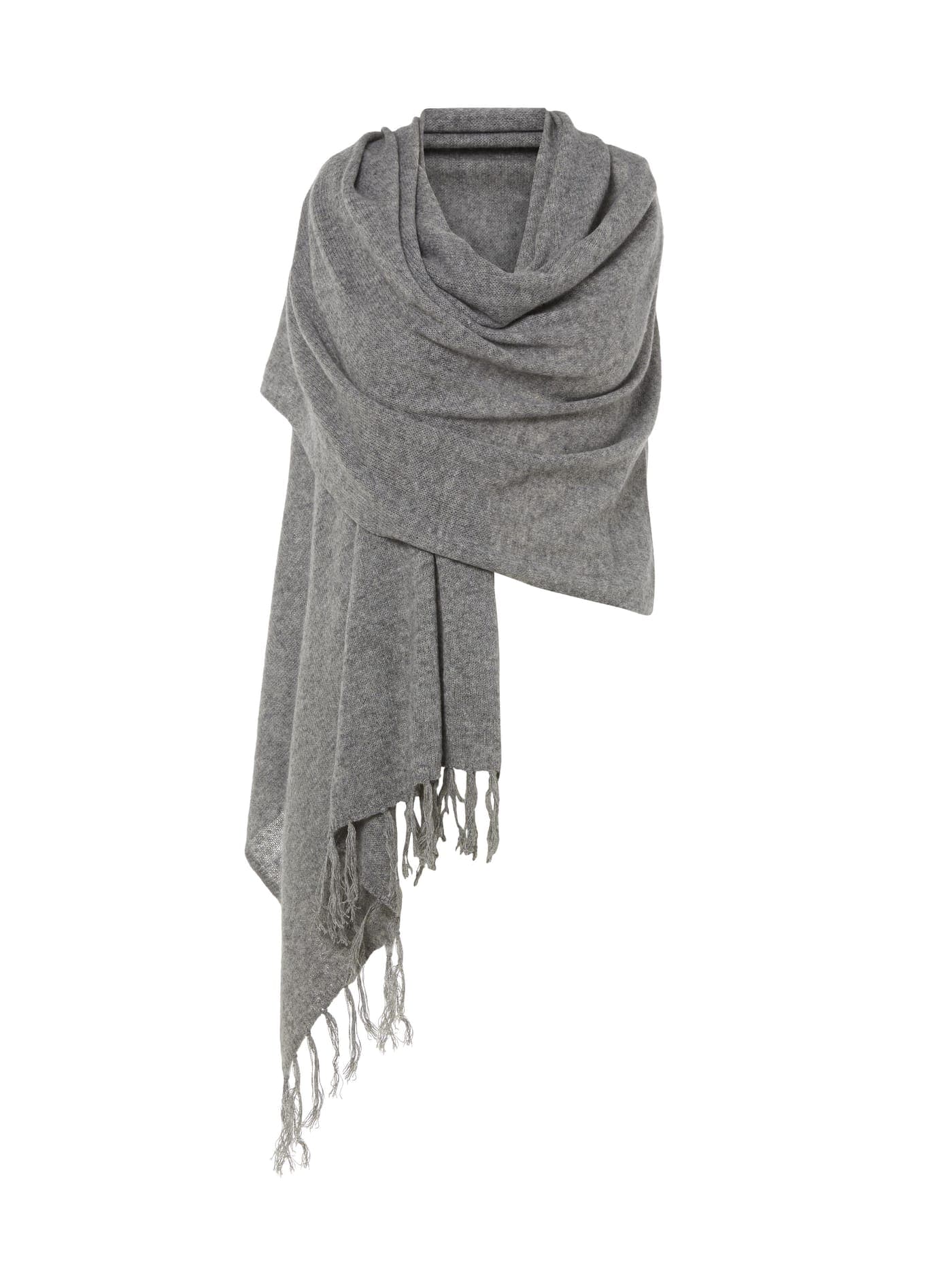
The fibre
Cashmere is the soft undercoat of cashmere goats, which grow it to survive harsh winters. In Mongolia, the world's second-largest producer, it is combed out each spring as the goats naturally shed.
The measure
Under US law, fibre sold as cashmere must average 19 microns or finer. The extra-premium line of Dineesh Tuladhar is precision-woven from 16-micron fibre.
The hands
Our finest pieces are finished by hand, with the patience the Kathmandu Valley has always given its crafts: the edges, the fringes, the details you feel before you see.
The care
Cared for, cashmere endures. Wash it cool and gently, dry it flat, and fold it rather than hang it, and it will stay with you for years.
- More questions about cashmere
Dineesh Tuladhar
Feel the fibre.
Our cashmere is sold under our brand, Dineesh Tuladhar, at dineeshtuladhar.com and on Amazon.